
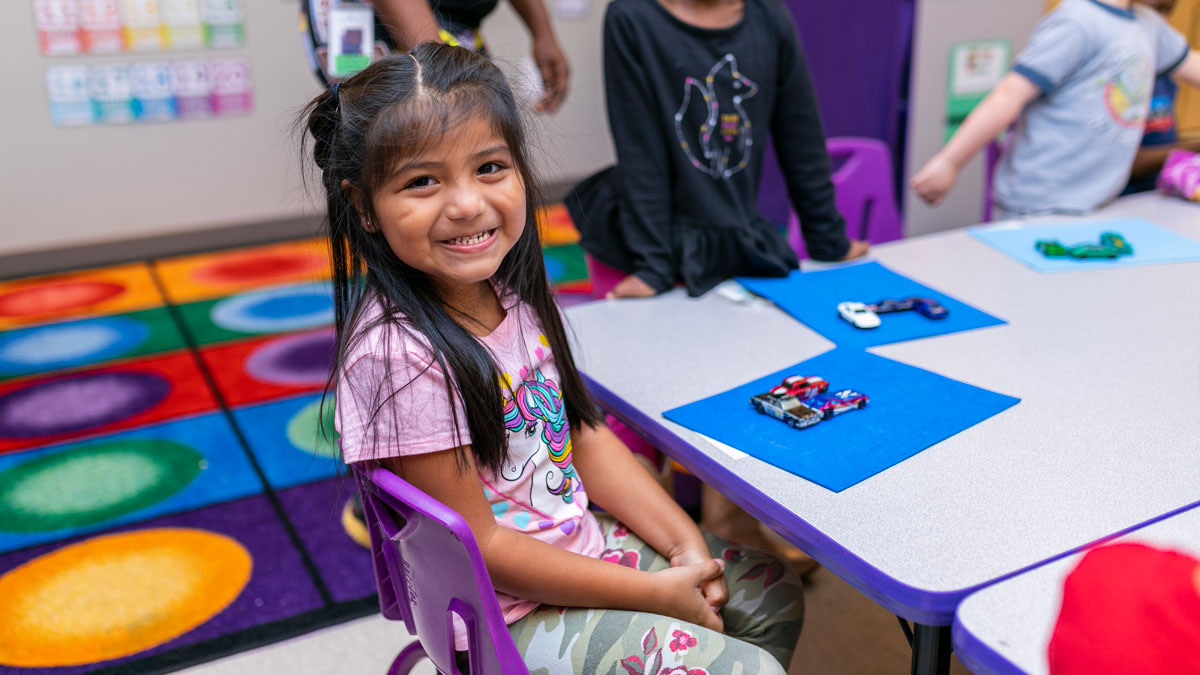
The start of a new school year brings both excitement and uncertainty. Whether a child is entering kindergarten, returning to a familiar classroom or transitioning into a new learning environment, back-to-school is a time of change. Here are a few tips from Miranda Potts, Senior Director at Pediatrics Plus in Alma, to help families start this school year off on the right foot.
ESTABLISH ROUTINES BEFORE THE FIRST DAY
For many children, especially those with sensory sensitivities, the shift from summer to structured school days can feel overwhelming. New classrooms, sounds and crowded hallways can create stress. Before the first day, gradually reintroduce school-year routines, such as earlier bedtimes and consistent morning schedules. Ensure your child can open their lunch box, put on a backpack and follow directions – ahead of time. These simple routines can build confidence and reduce frustration.
Visual tools are another way to make the transition more predictable. A calendar or visual schedule, along with a classroom visit before the first day, can help reduce anxiety and build excitement.
PREPARE THE TEAM, NOT JUST THE CHILD
Clear communication helps all children start the year successfully. Consider reaching out to your child's teacher before school begins to share information that may help them better understand your child – interests, strengths, learning preferences and diagnoses, if applicable. A simple "All About Me" sheet can be a helpful way to share likes, dislikes, motivators, communication styles, sensory preferences and calming strategies. Building those connections early helps everyone involved.
CONFIDENCE STARTS WITH CONVERSATION
Children often take their emotional cues from trusted adults. When parents approach the year with confidence and optimism, children are more likely to do the same. Talk openly about what your child is looking forward to, answer questions honestly and acknowledge their worries.
Reading books about starting school can also help. Favorites like Clifford Goes to Kindergarten, First Day Jitters and Going to a New School can spark meaningful conversations and help children feel more prepared.
EMBRACING NEW ENVIRONMENTS AND EXPECTATIONS
Every child is different. Some benefit from extra movement, quiet breaks or familiar routines. Others may need tools such as fidgets or noise-reducing headphones to stay focused and regulated. Discussing those supports with teachers can also create consistency between home and school.
EXPECT AN ADJUSTMENT PERIOD
Even children who are excited about school may come home tired and overwhelmed during the first few weeks. New routines, classrooms and social expectations require tremendous energy. Parents may notice temporary changes in sleep, behavior or emotional regulation as children adjust. These short-term setbacks are often a normal part of transition and usually improve with time.
EVERY CHILD'S JOURNEY IS UNIQUE
Most importantly, remember that every child's journey looks different. Some will sprint into the school year with excitement, while others may need extra reassurance. Progress doesn’t always happen overnight, but growth happens one step at a time.
About Pediatrics Plus
Miranda Potts is Senior Director at Pediatrics Plus Alma. Pediatrics Plus provides developmental preschool along with occupational, physical, and speech therapy, plus applied behavior analysis (ABA) to help children thrive.